The Central Visayas Studies Center (CVSC) is honored to be part of Project CLASP (Community of Local Affiliates Studying the Past), an initiative spearheaded by Dr. Maria Serena “Maris” Diokno, former Chair of the National Historical Commission of the Philippines (NHCP), under the South East Asia Studies Regional Exchange Program (SEASREP) Foundation.
Aligned with CVSC’s mission to promote research, documentation, and knowledge sharing on the history, culture, and heritage of Central Visayas, this partnership strengthens the Center’s long-standing tradition of culture-centered research and heritage mapping—pioneered by Dr. Madrileña de la Cerna, CVSC’s founding director. Dr. de la Cerna’s early work established the Center’s foundation in community-based heritage studies, an approach that continues to guide its present collaborations in regional and transnational heritage research.
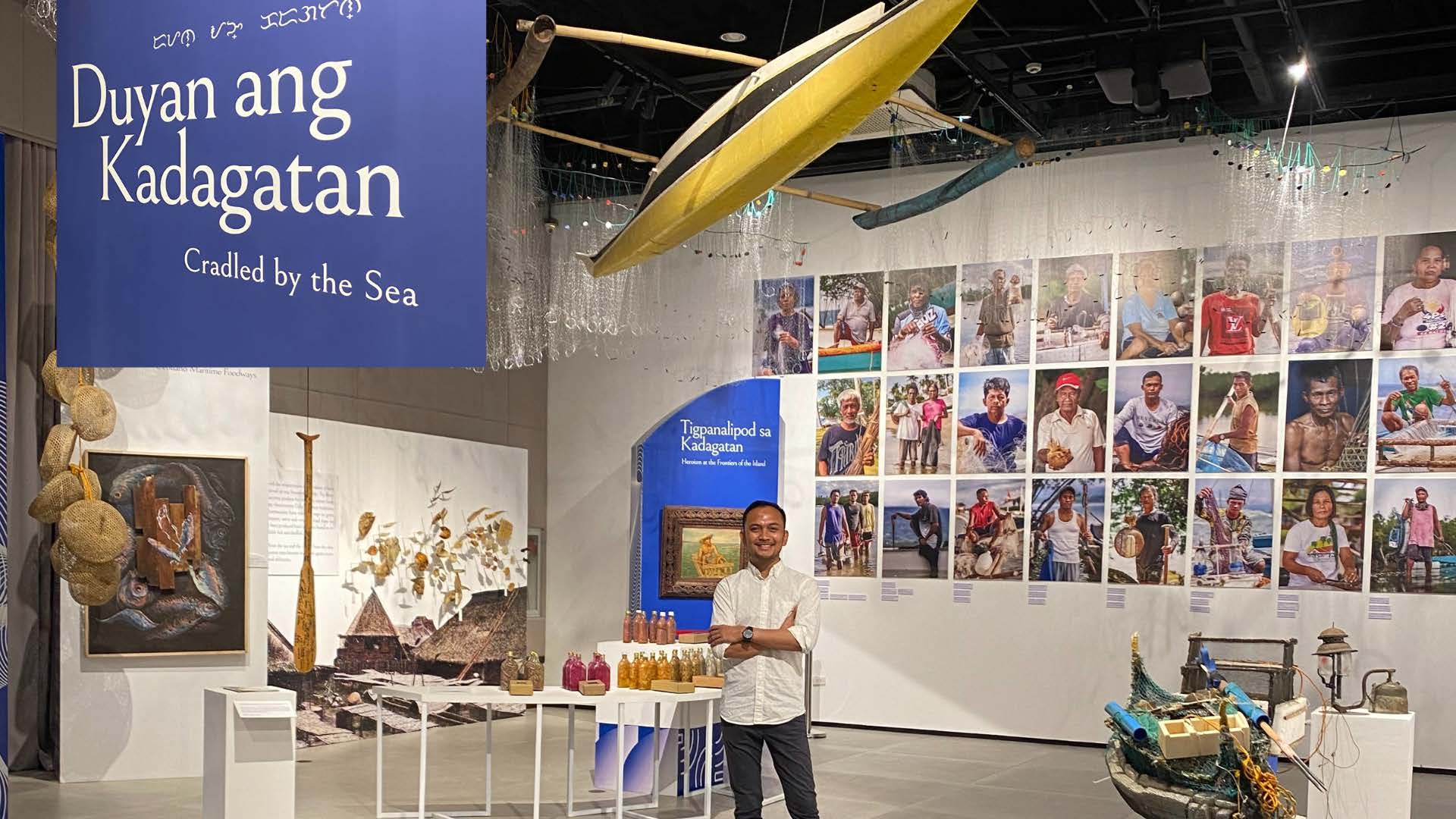
Representing CVSC in this initiative is Asst. Prof. Trizer Mansueto, a local historian and faculty member of history, culture, and heritage at the UP Cebu Communication Program, who attended the coordination meeting for Project CLASP on August 20. His participation reflects CVSC’s continuing commitment to engaging with networks of scholars and institutions that advance historical and cultural work at the local level.
Project CLASP aims to develop an interactive map and directory of local historical and heritage societies throughout the Philippines. This digital resource will allow users to click on a particular locality to view associations and organizations engaged in historical and heritage work. CVSC will be among the featured centers on this platform, showcasing its ongoing contributions to heritage documentation, cultural mapping, and community-based research.
While the project begins in the Philippines, recognized for its robust network of local historical and heritage groups, it will gradually expand to include institutions across Southeast Asia. Through this effort, Project CLASP seeks to foster collaboration among local knowledge producers in the region and deepen shared understanding of Southeast Asia’s diverse histories and cultural legacies.
The SEASREP Foundation, a non-profit organization devoted to advancing Southeast Asian studies, envisions CLASP as a means to connect local historical initiatives with regional academic networks.
This collaboration directly supports the United Nations Sustainable Development Goals (SDGs), particularly SDG 4 (Quality Education), SDG 11 (Sustainable Cities and Communities), and SDG 17 (Partnerships for the Goals) by promoting inclusive education through heritage awareness, strengthening cultural sustainability at the community level, and fostering cross-border academic and institutional cooperation across Southeast Asia.